E-Commerce
How to Choose an E-Commerce Platform in 2026
How to choose an e-commerce platform in 2026: total cost, payment options, migration risk and the questions that matter more than a feature checklist.

Choosing an e-commerce platform is usually framed as a feature comparison. In practice the decision is about money, migration and control: what you pay as you grow, how hard it is to leave, and how much of the checkout you are allowed to change. The feature list matters, but it rarely decides whether the business is happy two years later.
Start with the business model
A store selling ten handmade products has different needs from one selling a thousand variants with subscriptions. Write down the three things that must work perfectly: for example, variant pricing, local payment methods and pre-orders. If a platform cannot do those without an app, it is probably the wrong platform.
Then write down what you expect to change in two years. If you plan to add a second market, check currency, tax and language support before you commit. If you plan to sell wholesale, check whether the platform supports customer-specific pricing without a fragile workaround.
The cheapest platform is the one you can leave without losing your customers.
Total cost, not the monthly plan
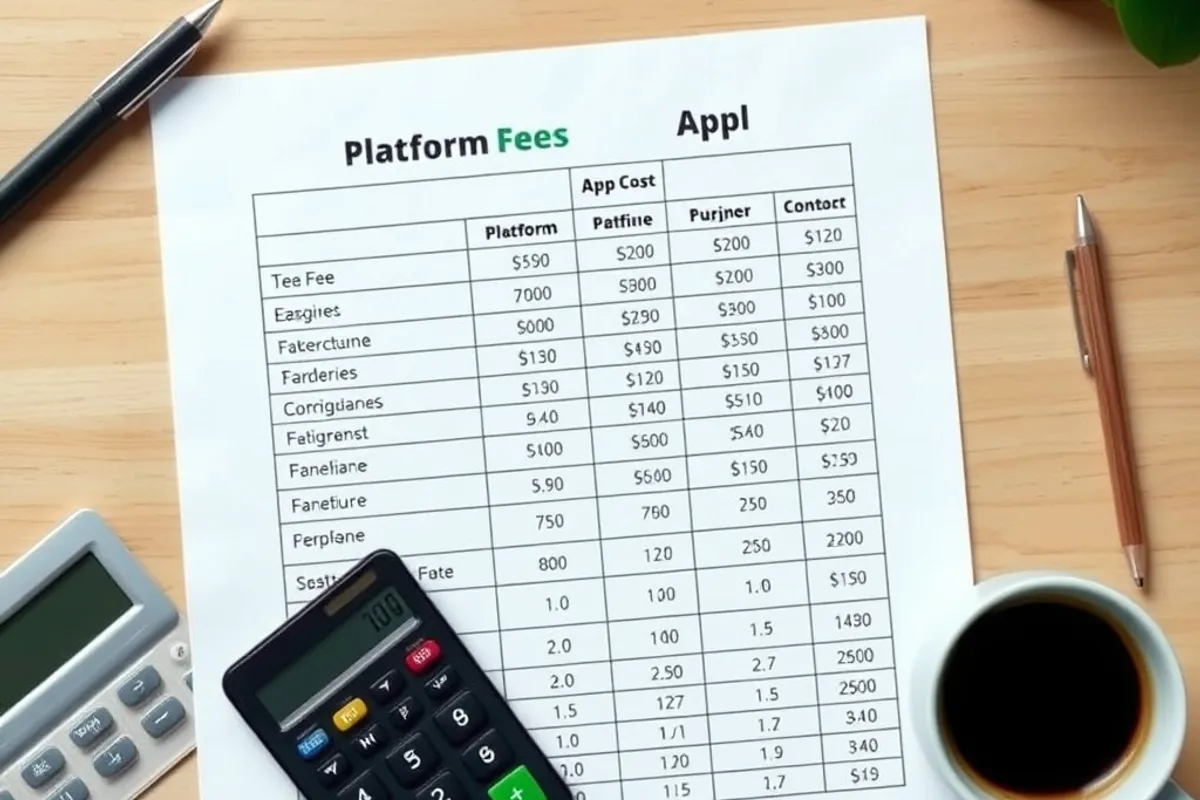
The headline subscription is only one line. Add transaction fees, payment processing, app subscriptions, theme costs, email, hosting and the developer time to make it work. A cheaper plan with five paid apps can cost more than a higher plan that includes the features.
Model the cost at your expected volume, not today's. Some platforms charge a percentage of sales, which is cheap when small and expensive when successful. Others charge per staff account or per integration. The right choice depends on the direction of the business, not just the current month.
The questions that decide it
Ask each vendor the same set of questions and write the answers down. The sales team will answer the easy ones; the useful information comes from the follow-up and from the documentation you read yourself.
What is the total fee at our expected monthly revenue? Can we export products, customers and orders without a paid app? Which payment methods work in our market, and who supports them? Can we edit the checkout without a developer? What happens to our data if we leave? How fast is support, and is it included?
Hosted, self-hosted or marketplace
Hosted platforms are faster to start and take care of infrastructure, at the cost of control and fees. Self-hosted software gives you control and requires maintenance, security and updates. Marketplaces bring an audience and take a commission while owning the customer relationship.
For most small stores, a hosted platform is the right default: it removes the operational work that a small team cannot afford. Move to self-hosted only when you have a specific requirement the hosted option cannot meet and someone who can maintain it.
Run a two-week trial properly
Do not judge a platform from a demo. Build a small test store with three real products, your actual payment method and a real order. Time how long it takes to change the shipping text and add a discount. That small exercise reveals more than an hour of sales presentation.
For the fixes that pay first, read our e-commerce conversion guide. For the technical foundation, see our cloud cost guide.