Cloud Computing
Cloud Computing Costs in 2026: How to Stop Overpaying
Cloud cost optimisation for 2026: rightsizing, storage tiers, egress, idle resources and the billing habits that stop a small team overpaying.
Cloud computing makes infrastructure easy to start and easy to overpay for. This section covers cost control, migration and the operational habits that keep a small team's bill predictable.
We look at the total monthly cost, including the time spent managing it, and we test the rollback path before recommending a move. A cheaper architecture that needs a specialist is not cheaper.
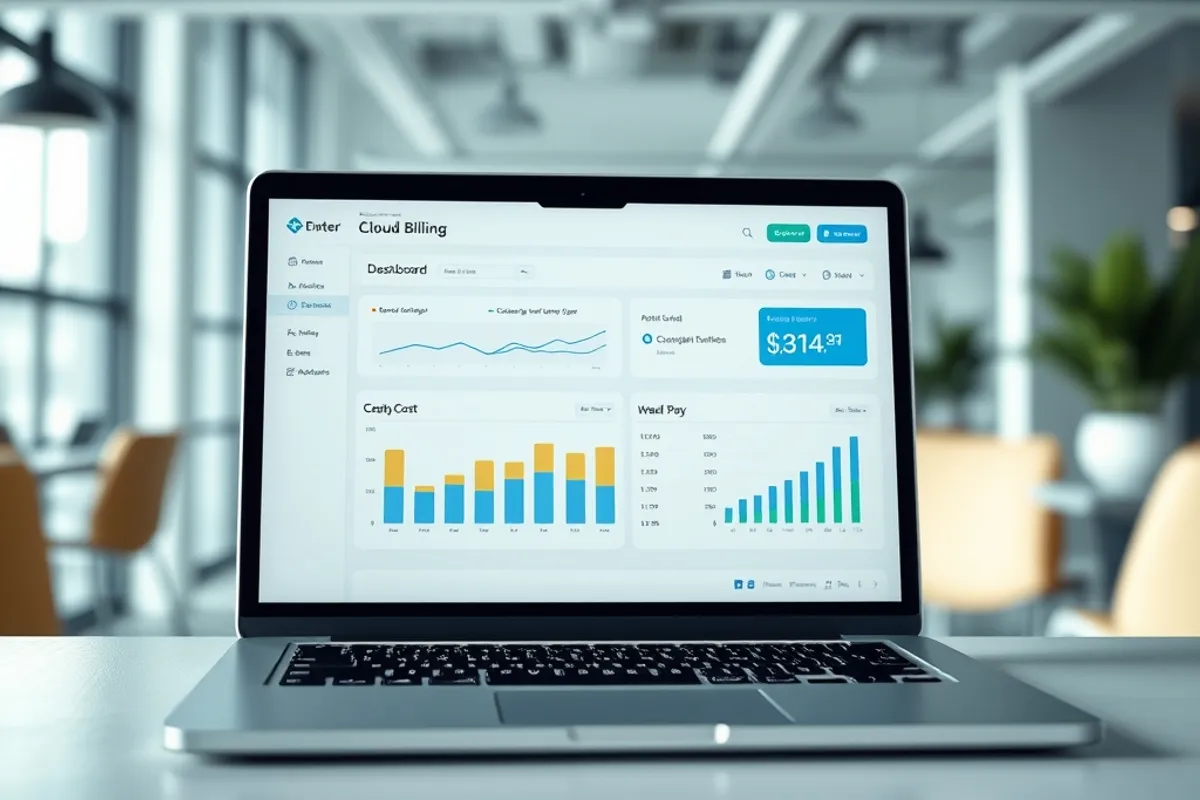
We start with visibility: can you see the bill by service, environment and owner? Without that, every optimisation is a guess and the first question in a cost review has no answer.
Then we check the operational burden. A managed service that removes a nightly job is often worth more than a cheaper setup that needs someone on call.
Rightsize before you commit to savings plans. Look at four weeks of utilisation, not one peak, and move workloads down a size where the headroom is comfortable.
Watch egress, idle resources and storage tiers. A forgotten test server, an oversized database and a bucket nobody owns can add more than a new hire, month after month.
Inventory every service, scheduled job and integration. Test a full restore in the new environment, lower DNS TTL a day before the cutover and write a rollback plan that someone has actually rehearsed.
Decommission the old environment on purpose. An old server left running is both a cost and a security risk, and it is the most commonly forgotten step in the whole project.
Begin with the cost guide if your bill is growing, then read the migration checklist before you move anything new. Measure first, move second.
For the software side, our delivery guides cover the review and deployment habits that make infrastructure changes less frightening.
Cloud cost optimisation for 2026: rightsizing, storage tiers, egress, idle resources and the billing habits that stop a small team overpaying.
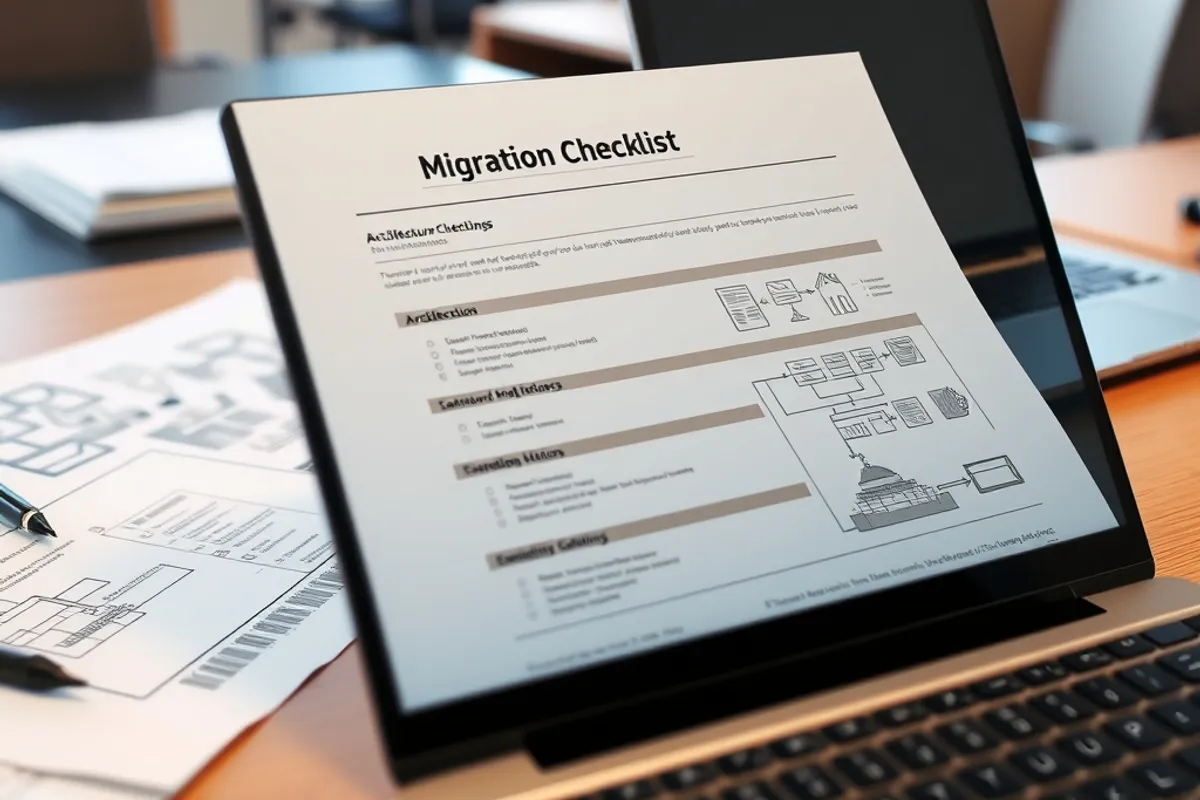
A cloud migration checklist for small teams: inventory, dependencies, data transfer, cutover, rollback and the first month of running in the new environment.