E-Commerce
E-Commerce Conversion in 2026: 12 Fixes That Pay
Twelve e-commerce conversion fixes for 2026, ranked by effort and impact: product pages, checkout, trust signals, speed and the mobile experience.

Most online stores do not have a traffic problem. They have a leak problem. A visitor arrives with intent, adds something to the cart and then leaves because the shipping cost appeared late, the discount code failed, the page took four seconds to load or the returns policy was impossible to find. Fixing those leaks is cheaper than buying more clicks.
Start with the product page
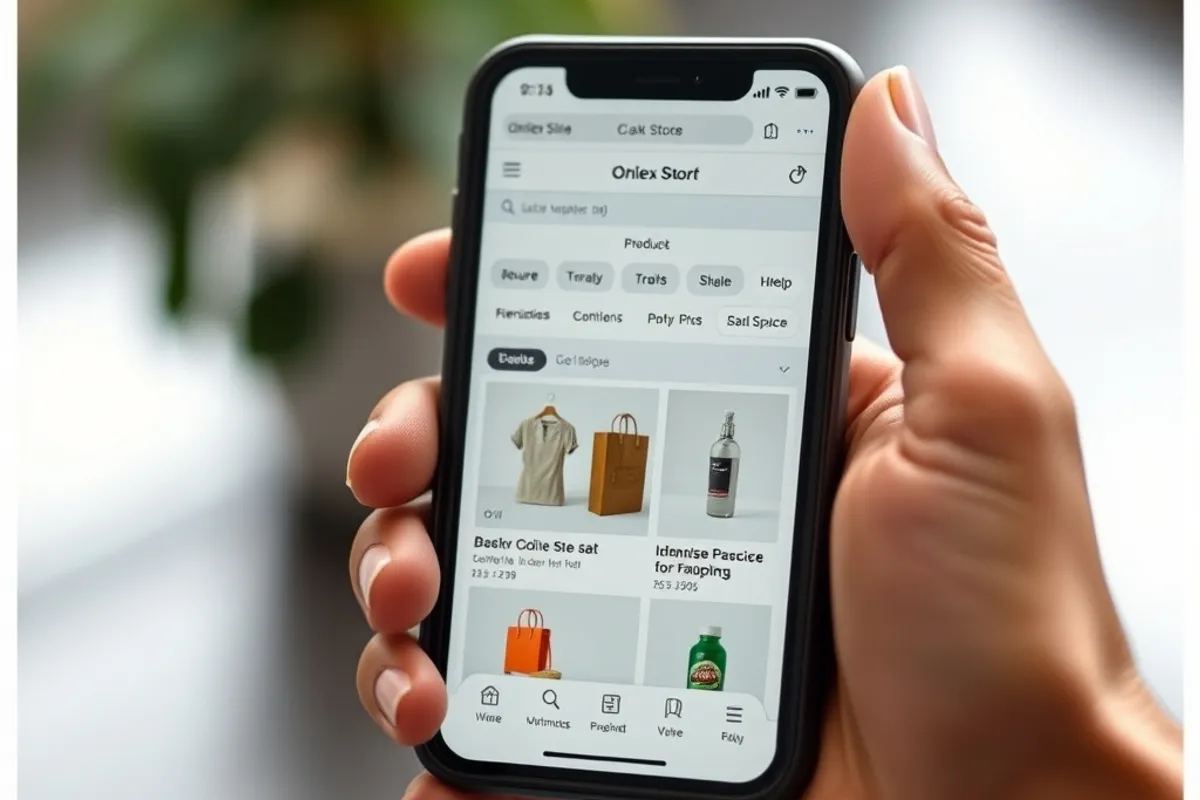
The product page has one job: answer the questions that stop a purchase. Show the item clearly, state the price and availability, list the dimensions and materials, and explain delivery and returns in plain language. Photos should show scale and detail, not just a styled hero shot.
Reviews matter, but only if they are credible. Show the rating, the count and the most useful critical review. A page with ten detailed reviews outperforms one with a hundred generic stars, because the reader is looking for the problem they will personally care about.
Conversion is not persuasion. It is the removal of reasons to leave.
Fix the checkout before the ads
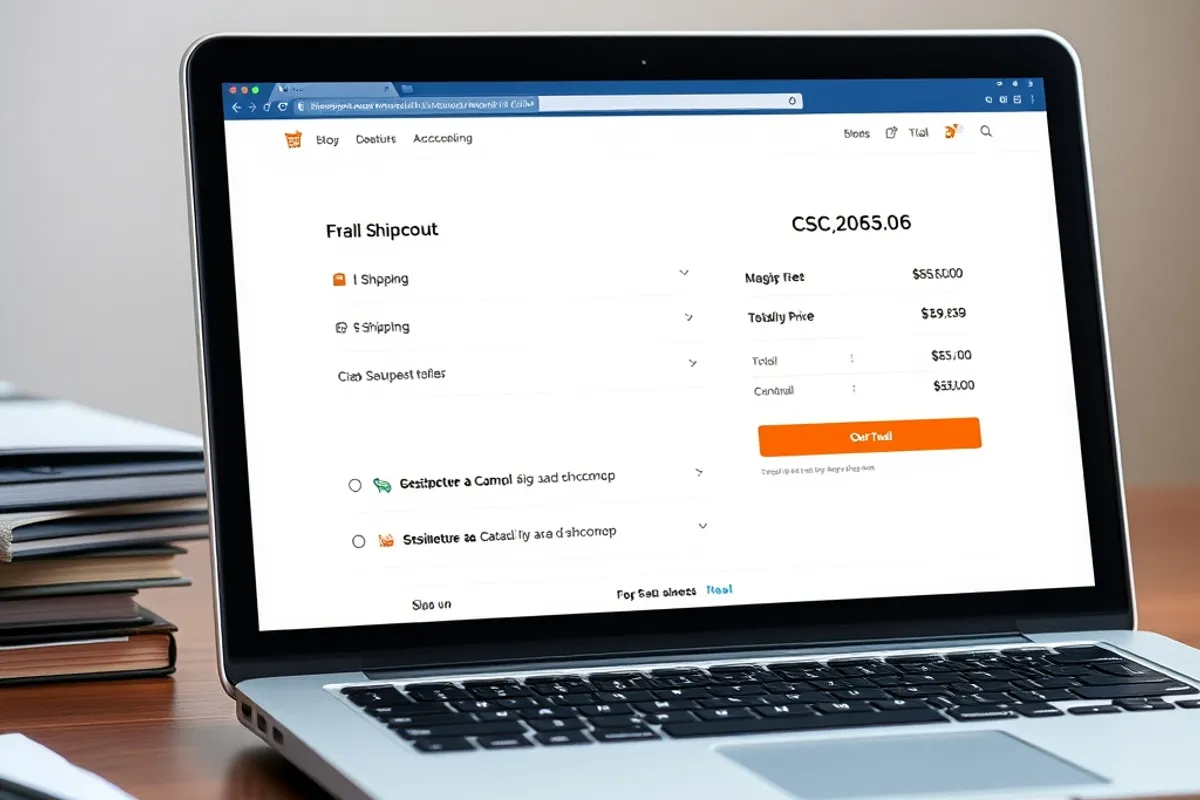
Checkout is where intent is highest and friction is most expensive. Show the total cost, including shipping and tax, before the customer enters payment details. Offer the payment methods people actually use in your market, and let guests check out without creating an account. Every required field that is not strictly necessary is a small tax on completion.
Test the whole flow on a mid-range phone over a slow connection, not just on a desktop in the office. A store that takes six seconds to become usable loses people before they see the price. Compress images, lazy-load below the fold and reduce third-party scripts.
The twelve fixes, ranked
The order below reflects effort versus impact for a typical small store. The first six are usually content and configuration changes; the last six need design or development work. Pick the leak with the highest traffic and the lowest completion, fix one thing, then compare a full week before and after.
Show shipping cost and delivery time on the product page. Put the returns policy one click from the product. Add real photos with scale and detail. Enable guest checkout. Offer the top two local payment methods. Fix the mobile layout and tap targets. Compress images and cut render-blocking scripts. Add a visible cart summary with an edit option. Show stock status honestly. Add reviews with a critical excerpt. Send one cart-recovery email, not five. Test the whole flow on a mid-range phone.

Trust, speed and mobile
Trust is built from small, specific signals: a real address, a phone number, a named team, clear delivery dates and a policy written by a human. Stock photos of a handshake do less than a photo of the actual packing bench. If you sell a physical product, show it being packed.
Discount popups are not on the list. They interrupt the reader, train people to wait for a code and often cost more margin than they recover. If you need a promotion, put it in the header or the cart, not in a modal that appears before the page has loaded.
Measure one change at a time
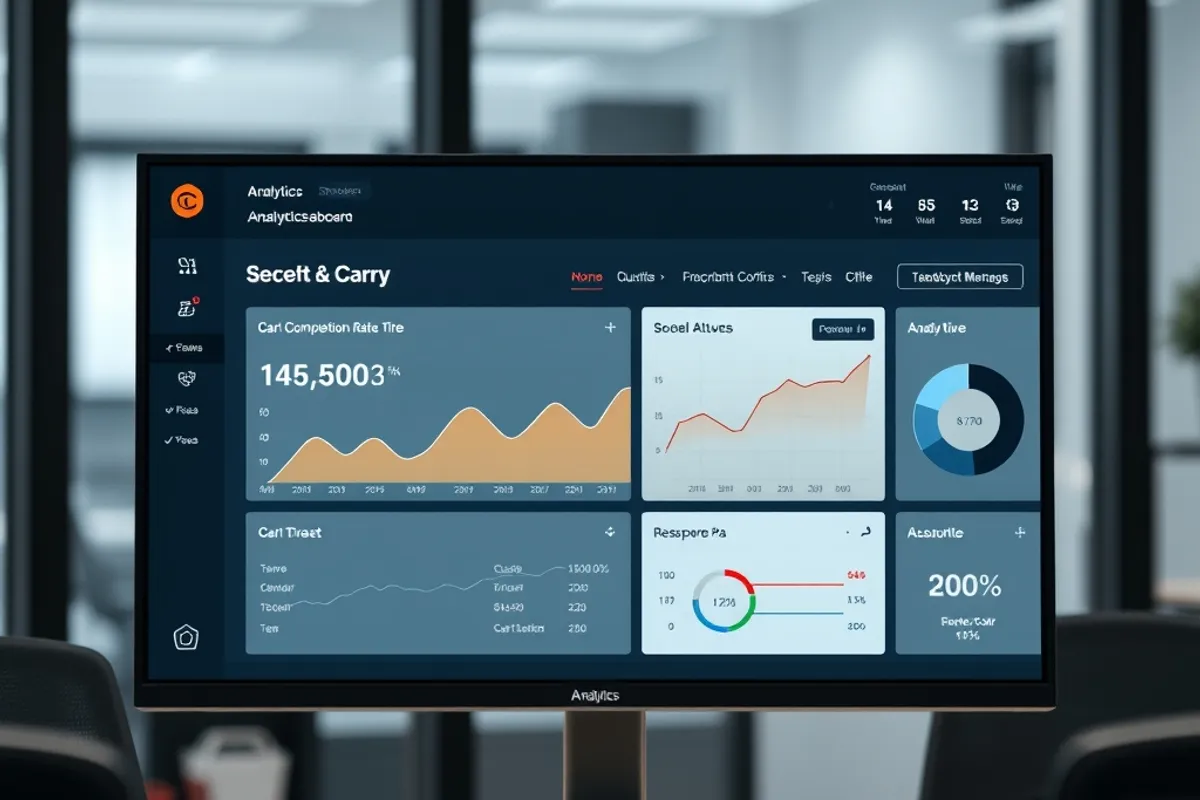
If you change five things at once, you learn nothing and you cannot tell which change deserves to stay. Keep a simple log of date, change and result. Watch completion rate, not just visits, because traffic that cannot check out is a cost.
For the platform decision that sits underneath all of this, read our e-commerce platform guide. For the audience side, see our social media strategy.