Social Media Marketing
Social Media Marketing in 2026: A Strategy That Survives Algorithm Changes
A social media marketing strategy for 2026 that survives algorithm changes: audience jobs, content pillars, distribution and measurement that stays useful.

Social media strategy is often written as a content calendar and a list of platforms. That is not a strategy; it is a schedule. The platforms will change their ranking rules, their formats and their reach within a year, and a plan built on any single one of them will need to be rewritten.

Start with the audience's job
Write down one audience and the job they are trying to do when they open the app. A freelance designer looking for client work has a different job from a small business owner comparing software. The content that helps one will annoy the other, and a feed that tries to serve both serves neither.
Then name the action you want. Follow, click, save, reply, subscribe or buy: each requires a different post and a different measure. A strategy that says increase engagement is not a strategy, because engagement is a byproduct, not a business outcome.
Reach is rented. Trust is owned. Build the channel that survives the next update.
Build three to five content pillars
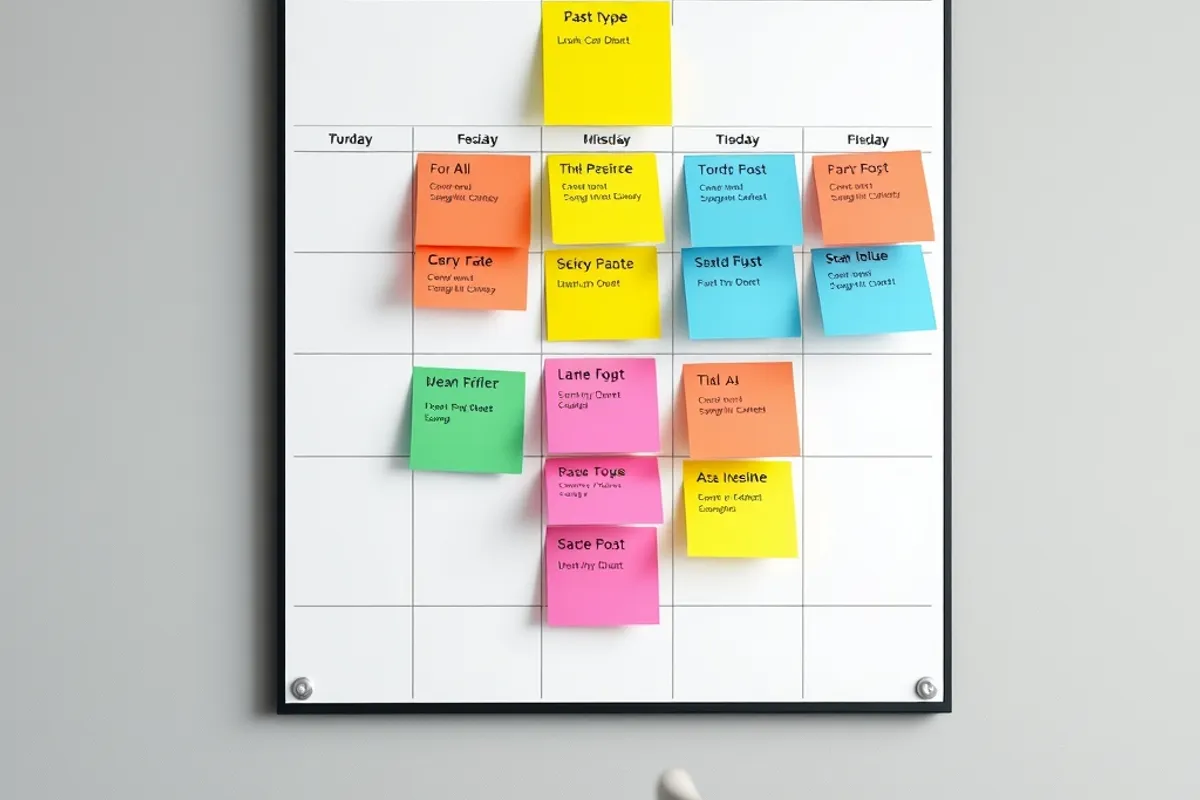
Pillars are recurring themes that you can produce consistently and that the audience recognises. A software studio might use practical tutorials, behind-the-scenes process, customer problems and opinion. A retailer might use product in use, care advice, customer stories and new arrivals.
Each pillar should have a format and a cadence. Tutorials might be short video, opinions might be text, customer stories might be a carousel. The point is to reduce decisions: when you sit down to create, you already know which pillar is due and what shape it takes.
Make distribution part of the plan
Publishing is not distribution. For every piece, decide where it will be seen: the feed, a story, a newsletter, a community, a partner or a sales conversation. Repurpose deliberately: one long article can become three short videos, a carousel and a newsletter section, but only if you plan the derivatives before publishing.
Owned channels matter because they are not subject to an algorithm change. A newsletter list of a thousand engaged readers is worth more than ten thousand passive followers, and it is the asset you keep if a platform declines.
Measure attention, not vanity
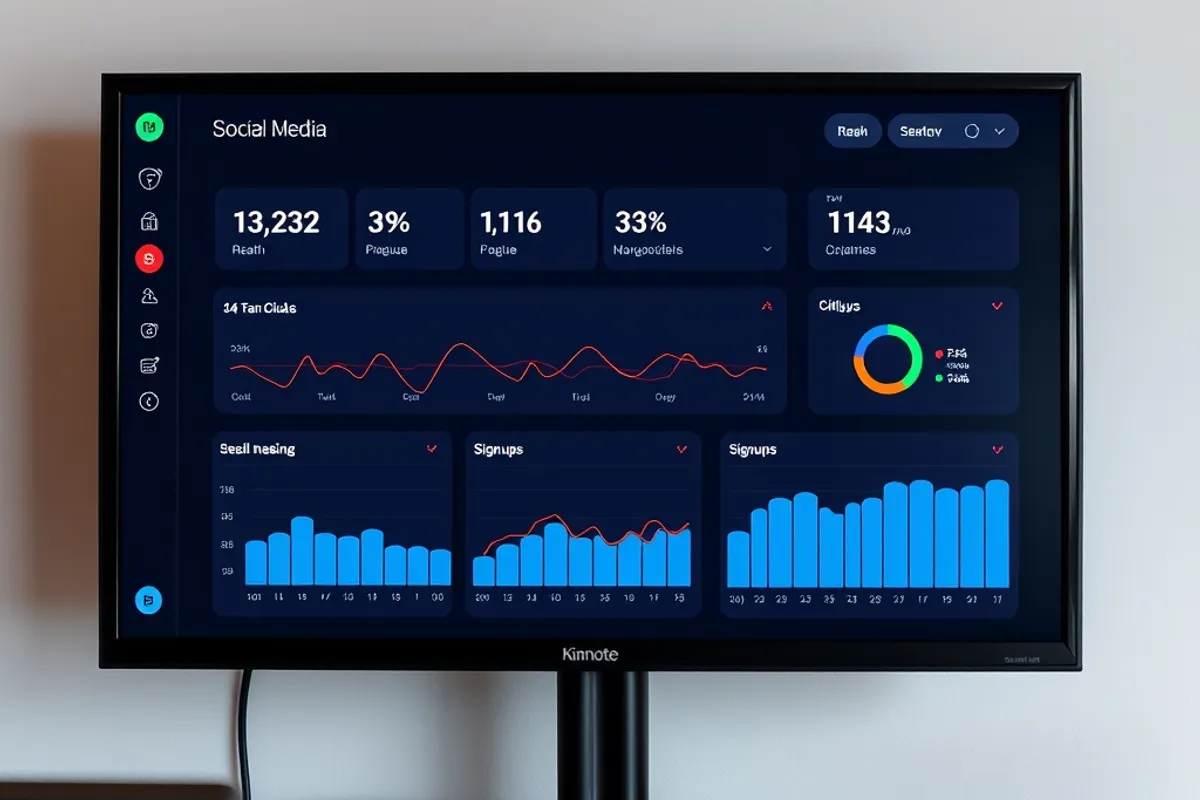
Impressions tell you that a post was shown. Saves, replies, profile visits and link clicks tell you that someone cared. Track the second group, and connect it to a business event: a newsletter signup, a demo request or a sale. Without that link, you cannot tell whether the content is working.
Use a simple monthly dashboard: reach, engagement rate, clicks, signups and revenue attributed. Look for trends over four weeks, not daily swings. If a format consistently underperforms after a fair test, stop making it, even if it is fashionable.

When the algorithm changes
Do not rebuild the strategy. Check which pillar lost reach, test one new format against it and give the test four weeks. The audience and the job have not changed; only the distribution has. Teams that panic and switch platforms every quarter never build a compounding asset.
For the production side, read our short-form video workflow. For the store side, see our e-commerce conversion fixes.