Software Development
Software Development in 2026: How Small Teams Ship Faster
Speed in software comes from shorter feedback loops, smaller changes and tooling that removes waiting. A practical guide for teams of two to fifteen in 2026.

Most conversations about software speed start in the wrong place. They focus on how fast someone types, how many story points a team clears or which framework is fashionable. The teams that actually ship are rarely the ones writing the most code. They are the ones with the shortest distance between an idea and a real user, and the fewest places where work can sit and wait.

Measure the loop, not the output
Count the time from "we decided to build this" to "a user can use it". That number includes the meeting where it was scoped, the days it sat in a backlog, the review that waited for one person, the test environment that was down and the release window that only opens on Thursdays. Typing is a small part of the total.
Once you measure the loop, the improvements become obvious. If review is the bottleneck, add reviewers and shrink changes. If testing is the bottleneck, invest in fast automated checks. If release is the bottleneck, make deployment boring. The metric tells you where to spend, which is more useful than a general instruction to move faster.
Velocity is the time between deciding and learning. Everything else is a proxy that can be gamed.
Smaller changes, shorter waits
A change that touches forty files cannot be reviewed well, tested quickly or rolled back cleanly. A change that touches three files can be understood in ten minutes and reverted in one. The discipline is to slice work by value, not by layer: ship a thin path through the whole system before building every edge case.
Small changes also improve morale. A team that finishes something every few days has evidence of progress, which is harder to find in a six-week branch. The goal is not to avoid big projects; it is to break them into pieces that can be verified independently. Our code review guide covers how to make each piece easy to read.

Tooling that removes friction
Good tooling removes a step. Bad tooling adds a dashboard. Before adopting anything, ask which specific wait it shortens: the wait for a build, the wait for a review, the wait for a test environment or the wait for a deploy. If the answer is vague, the tool is probably a distraction.
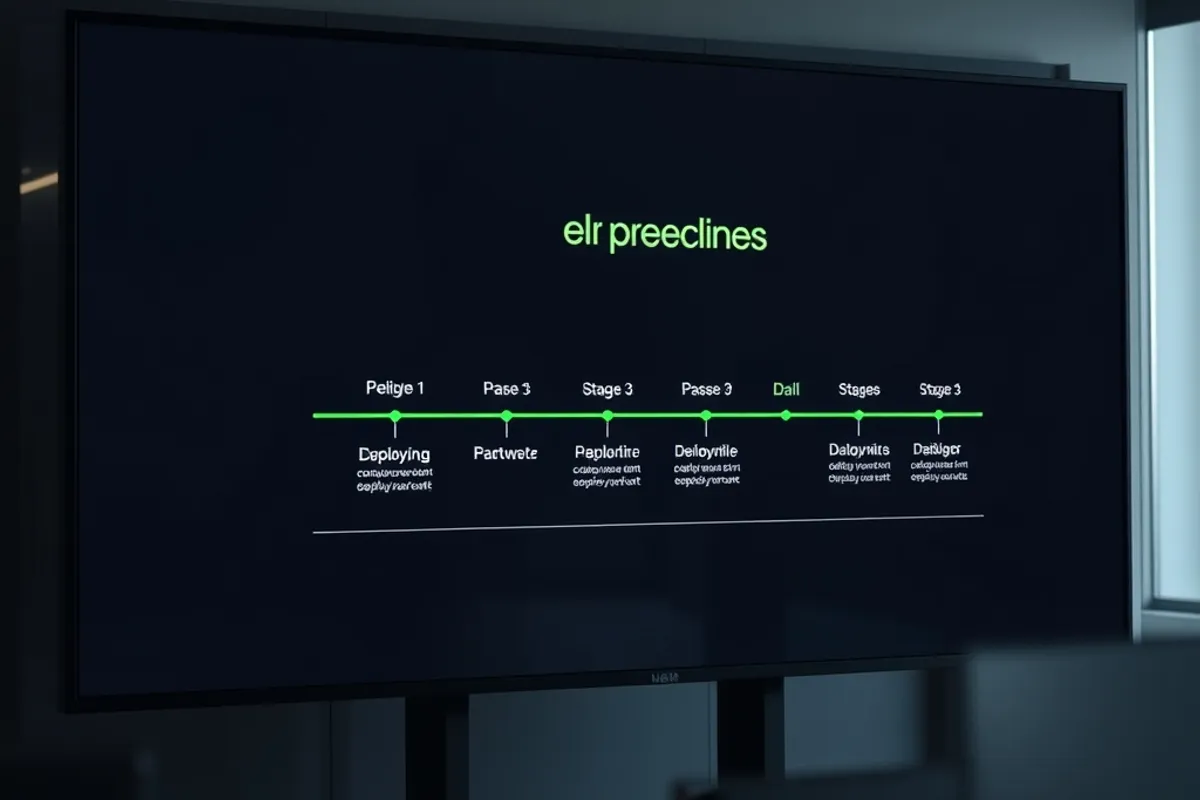
In 2026 the highest-return investments for a small team are usually unglamorous: a fast CI pipeline, a one-command local environment, automated formatting and a deployment process that any team member can run. None of them are exciting in a conference talk, and all of them remove daily friction. Be careful with tool sprawl, because every new service adds an account, a bill and a small permanent maintenance job.
The habits that compound
Three habits pay back every sprint. First, write down the decision and the reason, so the team does not relitigate it in three weeks. Second, keep the main branch releasable, so a fix can ship the same day. Third, review the work, not the person, so feedback stays about the change and not about status.
Technical debt belongs in the same conversation as features. A team that never pays it down eventually spends its speed on workarounds. Reserve a fixed slice of each cycle for the debt that slows delivery, and make the cost visible in the same language as the roadmap: hours lost, incidents caused, onboarding delayed.
What to stop doing
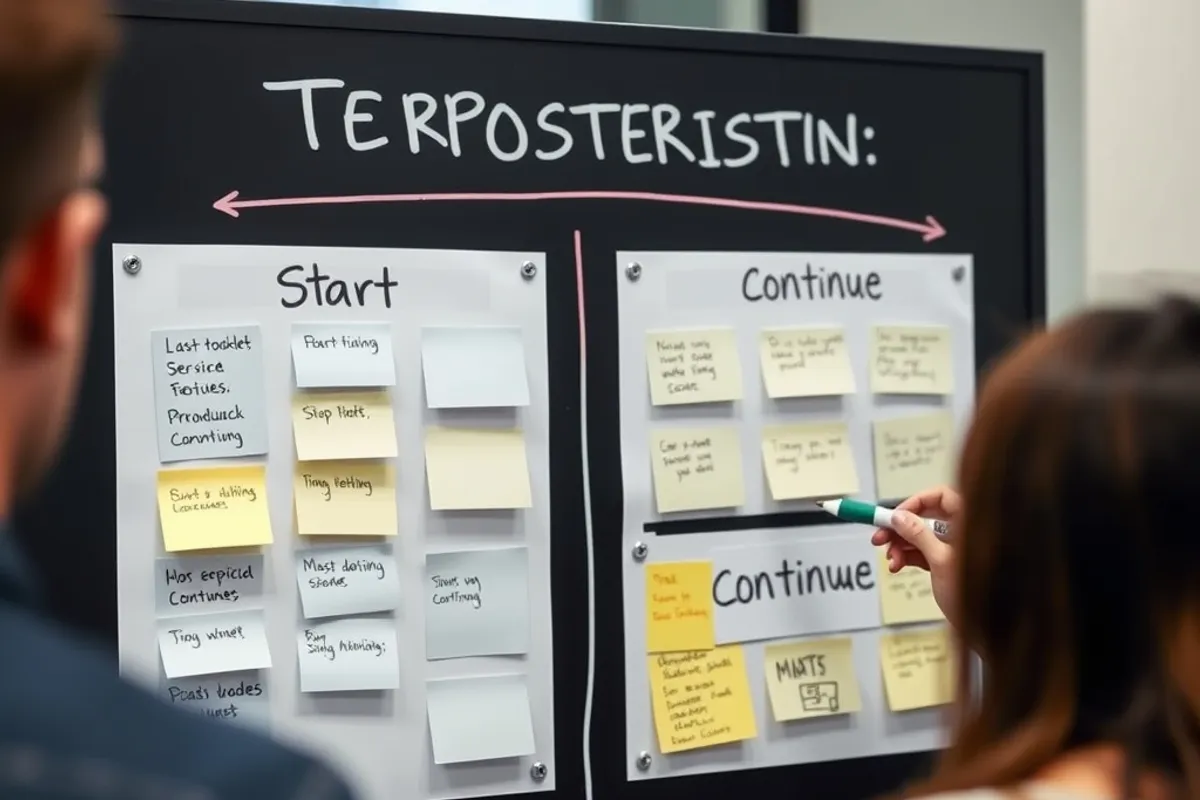
Stop estimating in detail work you do not understand yet. Stop holding a daily meeting that reads status from a board everyone can already see. Stop requiring three approvals for a one-line fix. Stop measuring lines of code, hours logged or tickets closed; they reward activity and ignore outcomes.
For independent background on delivery practice, the Wikipedia overview of software development is a reasonable primer. It will not tell you how to run your team, but it explains the vocabulary that vendors and consultants use.